Diesel, electric, petrol and plug-in hybrid · 1984–2026
Ford Ranger
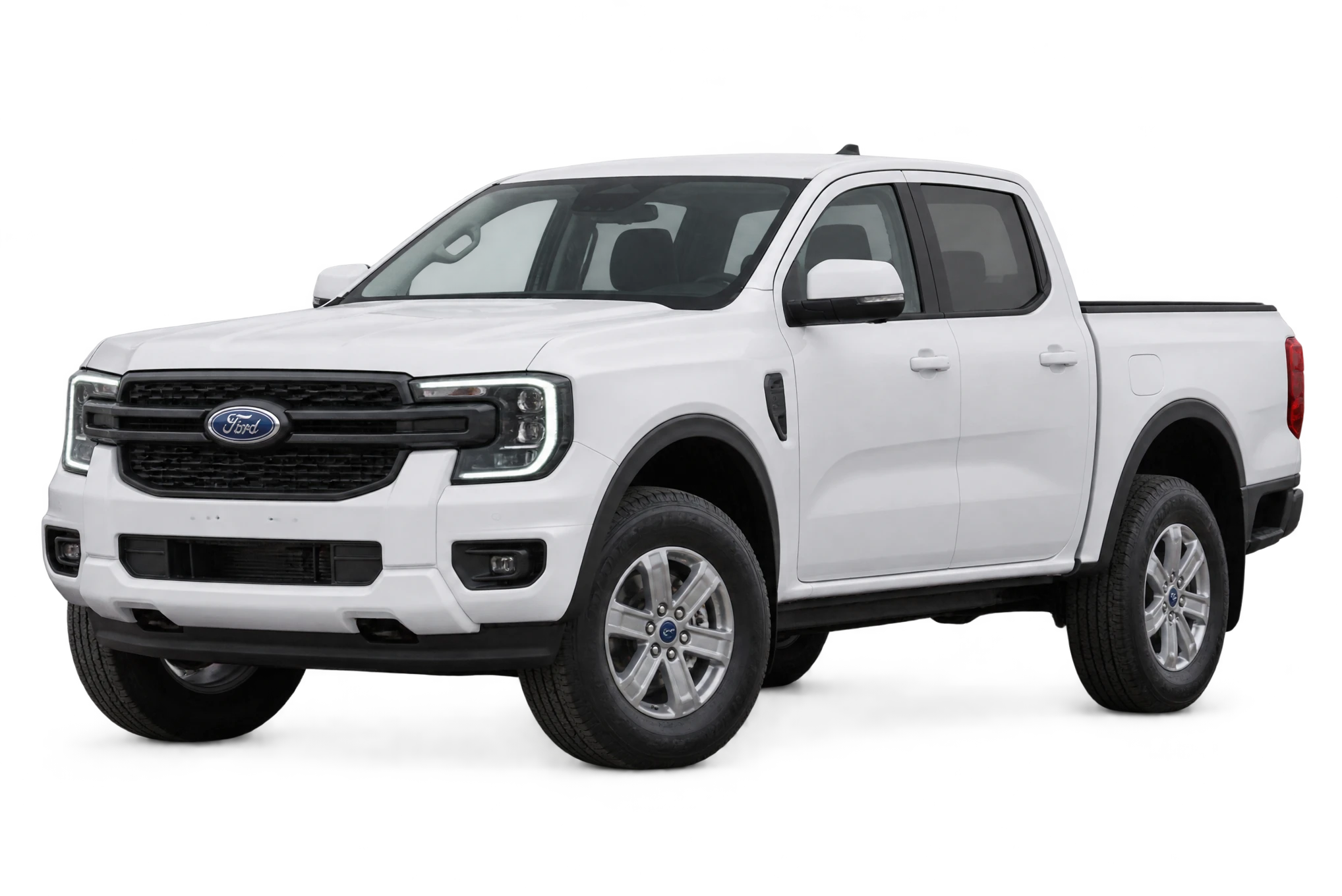
Fuel use, running costs and specs for the Ford Ranger. By the official figures, the 2026 uses 7.6 L/100km: 37 mpg UK, 31 mpg US.
- Fuel use
- 7.6 L/100km
- 2026 official
- UK mpg
- 37 mpg
- US mpg
- 31 mpg
- On a full tank
- 1,051 km
- 80 L tank
What a Ranger costs to run
At today's average petrol prices, by its official fuel use.
| Country | Average price today | Cost to drive | A typical year |
|---|---|---|---|
| New Zealand | $2.94/L petrol | $22.37 per 100 km | $2,461 |
| Australia | $2.41/L petrol | $18.34 per 100 km | $2,036 |
| United Kingdom | £1.74/L petrol | £21.36 per 100 miles | £1,495 |
| United States | $4.35/gal petrol | $14.08 per 100 miles | $1,901 |
A typical year: New Zealand 11,000 km (Ministry of Transport's average for a light vehicle); Australia 11,100 km (ABS Survey of Motor Vehicle Use average); United Kingdom 11,265 km (DfT National Travel Survey average of about 7,000 miles); United States 21,726 km (FHWA average of about 13,500 miles). Real costs depend on how and where you drive. Work out a particular trip.
Where the Ranger ranks
PX III (T6), 2022
Specs for the 2022 Ford Ranger XLT Double Cab 4x4, 2.0L Bi-Turbo diesel, 10-speed automatic (Australia); other versions differ a little.
About
- Body
- Ute
- Size class
- Light commercial
- Generation
- PX III (T6)
- Seats
- 5
- Doors
- 4
- Drive
- 4WD
Size and weight
- Length
- 5,370 mm
- Width
- 1,918 mm
- Height
- 1,884 mm
- Wheelbase
- 3,270 mm
- Ground clearance
- 234 mm
- Kerb weight
- 2,207 kg
- Towing (braked)
- 3,500 kg
- Towing (unbraked)
- 750 kg
Engine
- Engine
- 2.0 L 4-cylinder twin-turbo diesel
- Engine size
- 1,996 cc
- Cylinders
- 4
- Aspiration
- Twin turbo
- Power
- 154 kW
- Torque
- 500 Nm
- Gearbox
- 10-speed automatic
Economy
- Fuel use (combined)
- 7.6 L/100km
- CO₂
- 201 g/km
- Fuel tank
- 80 L
Safety
- ANCAP
- ★★★★★
- ANCAP tested
- 2015
Ownership
- Service every
- 15,000 km
- Service every
- 12 months
- Tyres
- 265/65 R17
Features
- Apple CarPlay
- Yes
- Android Auto
- Yes
- Adaptive cruise control
- No
US Ranger (2019) / PX3, 2019–2027
Specs for the 2.3 EcoBoost SuperCrew; other versions differ a little.
About
- Body
- Ute
- Size class
- Light commercial
- Generation
- US Ranger (2019) / PX3
- Built
- 2019-2027
- Seats
- 5
- Doors
- 4
- Drive
- 4WD
Size and weight
- Length
- 5,349 mm
- Width
- 2,202 mm
- Height
- 1,890 mm
- Wheelbase
- 3,269 mm
- Kerb weight
- 1,782 kg
- Boot
- 1,232 L
- Towing (braked)
- 3,402 kg
Engine
- Engine
- 2.3 L 4-cylinder turbo petrol
- Engine size
- 2,300 cc
- Cylinders
- 4
- Aspiration
- Turbo
- Power
- 218 kW
- Torque
- 481 Nm
- Gearbox
- 10-speed automatic
Economy
- Fuel tank
- 71 L
- Minimum petrol
- 87 RON
PX (T6), 2012–2022
Specs for the 3.2 XLT dual cab 4x4; other versions differ a little.
About
- Body
- Ute
- Size class
- Light commercial
- Generation
- PX (T6)
- Built
- 2012-2022
- Seats
- 5
- Doors
- 4
- Drive
- 4WD
Size and weight
- Length
- 5,375 mm
- Width
- 2,027 mm
- Height
- 1,836 mm
- Wheelbase
- 3,221 mm
- Ground clearance
- 232 mm
- Kerb weight
- 2,318 kg
- Towing (braked)
- 3,500 kg
- Towing (unbraked)
- 750 kg
Engine
- Engine
- 3.2 L 5-cylinder turbo diesel
- Engine size
- 2,597 cc
- Cylinders
- 5
- Aspiration
- Turbo
- Power
- 152 kW
- Torque
- 485 Nm
- Gearbox
- 6-speed automatic
Economy
- Fuel use (combined)
- 8.9 L/100km
- CO₂
- 256 g/km
- Fuel tank
- 68 L
Safety
- ANCAP
- ★★★★★
- ANCAP tested
- 2015
- Euro NCAP
- ★★★★★
- Euro NCAP tested
- 2012
- Airbags
- 7
Features
- Apple CarPlay
- Yes
- Android Auto
- Yes
PJ/PK, 2007–2011
Specs for the 3.0 TDCi XLT dual cab 4x4; other versions differ a little.
About
- Body
- Ute
- Size class
- Light commercial
- Generation
- PJ/PK
- Built
- 2007-2011
- Seats
- 5
- Doors
- 4
- Drive
- 4WD
Size and weight
- Length
- 5,273 mm
- Width
- 1,805 mm
- Height
- 1,752 mm
- Wheelbase
- 3,027 mm
- Kerb weight
- 2,021 kg
- Boot
- 1,059 L
- Towing (braked)
- 3,000 kg
- Towing (unbraked)
- 750 kg
Engine
- Engine
- 3.0 L 4-cylinder turbo diesel
- Engine size
- 2,986 cc
- Cylinders
- 4
- Aspiration
- Turbo
- Power
- 110 kW
- Torque
- 348 Nm
- Gearbox
- 5-speed manual
Economy
- Fuel use (combined)
- 8.7 L/100km
- Fuel tank
- 74.5 L
Third generation (PN-96), 1999
Specs for the 1999 Ford Ranger XL Regular Cab Short Bed 2WD, 2.5 L petrol, 5-speed manual; other versions differ a little.
About
- Body
- Ute
- Size class
- Light commercial
- Generation
- Third generation (PN-96)
- Seats
- 3
- Doors
- 2
- Drive
- RWD
Size and weight
- Length
- 4,763 mm
- Width
- 1,763 mm
- Height
- 1,648 mm
- Wheelbase
- 2,832 mm
- Ground clearance
- 168 mm
- Kerb weight
- 1,388 kg
- Gross vehicle mass
- 1,978 kg
Engine
- Engine
- 2.5 L inline 4-cylinder petrol
- Engine size
- 2,507 cc
- Cylinders
- 4
- Aspiration
- Naturally aspirated
- Power
- 89 kW
- Torque
- 198 Nm
- Gearbox
- 5-speed manual
Economy
- Fuel tank
- 73.8 L
US Ranger / PJ-PK, 1998–2011
Specs for the 2.5/2.6 petrol; other versions differ a little.
About
- Body
- Ute
- Size class
- Light commercial
- Generation
- US Ranger / PJ-PK
- Built
- 1998-2011
- Seats
- 5
- Doors
- 4
- Drive
- RWD
Size and weight
- Length
- 4,811 mm
- Width
- 1,760 mm
- Height
- 1,681 mm
- Wheelbase
- 2,832 mm
- Kerb weight
- 1,560 kg
- Boot
- 1,059 L
Engine
- Engine
- 2.5 L 4-cylinder petrol
- Engine size
- 2,986 cc
- Cylinders
- 4
- Aspiration
- Naturally aspirated
- Power
- 110 kW
- Torque
- 244 Nm
- Gearbox
- 5-speed manual
Economy
- Fuel use (combined)
- 12.4 L/100km
- Fuel tank
- 70 L
- Minimum petrol
- 91 RON
PJ predecessor (Courier-based), 1998–2006
Specs for the 2.5 turbo diesel; other versions differ a little.
About
- Body
- Ute
- Size class
- Light commercial
- Generation
- PJ predecessor (Courier-based)
- Built
- 1998-2006
- Seats
- 5
- Doors
- 4
- Drive
- 4WD
Engine
- Engine
- 2.5 L 4-cylinder turbo diesel
- Engine size
- 2,499 cc
- Cylinders
- 4
- Aspiration
- Turbo
- Gearbox
- 5-speed manual
Economy
- Fuel tank
- 70 L
Official figures by year
From the US EPA, the UK's DfT and NZTA, newest first.
| Year | Fuel | Uses | UK | US | Range |
|---|---|---|---|---|---|
| 2026 | Plug-in hybrid | 2.9 L/100km | 97 mpg | 81 mpg | — |
| 2026 | Petrol | 11.5 L/100km | 25 mpg | 20 mpg | — |
| 2026 | Diesel | 7.6 L/100km | 37 mpg | 31 mpg | — |
| 2025 | Plug-in hybrid | 2.9 L/100km | 97 mpg | 81 mpg | — |
| 2025 | Petrol | 11.5 L/100km | 25 mpg | 20 mpg | — |
| 2025 | Diesel | 7.6 L/100km | 37 mpg | 31 mpg | — |
| 2024 | Petrol | 11.5 L/100km | 25 mpg | 20 mpg | — |
| 2024 | Diesel | 7.6 L/100km | 37 mpg | 31 mpg | — |
| 2023 | Petrol | 11.5 L/100km | 25 mpg | 20 mpg | — |
| 2023 | Diesel | 7.6 L/100km | 37 mpg | 31 mpg | — |
| 2022 | Petrol | 11.5 L/100km | 25 mpg | 20 mpg | — |
| 2022 | Diesel | 7.7 L/100km | 37 mpg | 30 mpg | — |
| 2021 | Petrol | 12.4 L/100km | 23 mpg | 19 mpg | — |
| 2021 | Diesel | 7.9 L/100km | 36 mpg | 30 mpg | — |
| 2020 | Petrol | 10.7 L/100km | 26 mpg | 22 mpg | — |
| 2020 | Diesel | 8.1 L/100km | 35 mpg | 29 mpg | — |
| 2019 | Petrol | 10.7 L/100km | 26 mpg | 22 mpg | — |
| 2019 | Diesel | 8.3 L/100km | 34 mpg | 28 mpg | — |
| 2018 | Petrol | 8.2 L/100km | 34 mpg | 29 mpg | — |
| 2018 | Diesel | 8.5 L/100km | 33 mpg | 28 mpg | — |
| 2017 | Diesel | 8.5 L/100km | 33 mpg | 28 mpg | — |
| 2016 | Diesel | 8.7 L/100km | 33 mpg | 27 mpg | — |
| 2015 | Petrol | 9.6 L/100km | 29 mpg | 25 mpg | — |
| 2015 | Diesel | 8.9 L/100km | 32 mpg | 26 mpg | — |
| 2014 | Petrol | 9.4 L/100km | 30 mpg | 25 mpg | — |
| 2014 | Diesel | 9.0 L/100km | 31 mpg | 26 mpg | — |
| 2013 | Diesel | 9.0 L/100km | 31 mpg | 26 mpg | — |
| 2012 | Petrol | 9.9 L/100km | 29 mpg | 24 mpg | — |
| 2012 | Diesel | 9.0 L/100km | 31 mpg | 26 mpg | — |
| 2011 | Petrol | 13.8 L/100km | 20 mpg | 17 mpg | — |
| 2011 | Diesel | 9.3 L/100km | 30 mpg | 25 mpg | — |
| 2010 | Petrol | 13.8 L/100km | 20 mpg | 17 mpg | — |
| 2010 | Diesel | 9.5 L/100km | 30 mpg | 25 mpg | — |
| 2009 | Petrol | 13.8 L/100km | 20 mpg | 17 mpg | — |
| 2009 | Diesel | 9.3 L/100km | 30 mpg | 25 mpg | — |
| 2008 | Petrol | 13.8 L/100km | 20 mpg | 17 mpg | — |
| 2008 | Diesel | 9.0 L/100km | 31 mpg | 26 mpg | — |
| 2007 | Petrol | 13.8 L/100km | 20 mpg | 17 mpg | — |
| 2007 | Diesel | 8.8 L/100km | 32 mpg | 27 mpg | — |
| 2006 | Petrol | 13.8 L/100km | 20 mpg | 17 mpg | — |
Ford Ranger questions
What is the fuel consumption of the Ford Ranger?
The 2026 Ford Ranger uses 7.6 L/100km by its official figures: 37 mpg in UK gallons and 31 mpg in US gallons. Each year's figures are listed below.
How much does a Ford Ranger cost to run a year?
At today's average petrol prices and a typical year's driving: $2,461 in New Zealand, $2,036 in Australia, £1,495 in United Kingdom, $1,901 in United States.
How far does a Ford Ranger go on a full tank?
About 1,051 km (653 miles) from its 80 L tank at its official fuel use.
How much can a Ford Ranger tow?
3,500 kg braked, for the 2022 Ford Ranger XLT Double Cab 4x4, 2.0L Bi-Turbo diesel, 10-speed automatic (Australia).
How big is the Ford Ranger's boot?
1,232 L, for the 2022 Ford Ranger XLT Double Cab 4x4, 2.0L Bi-Turbo diesel, 10-speed automatic (Australia).
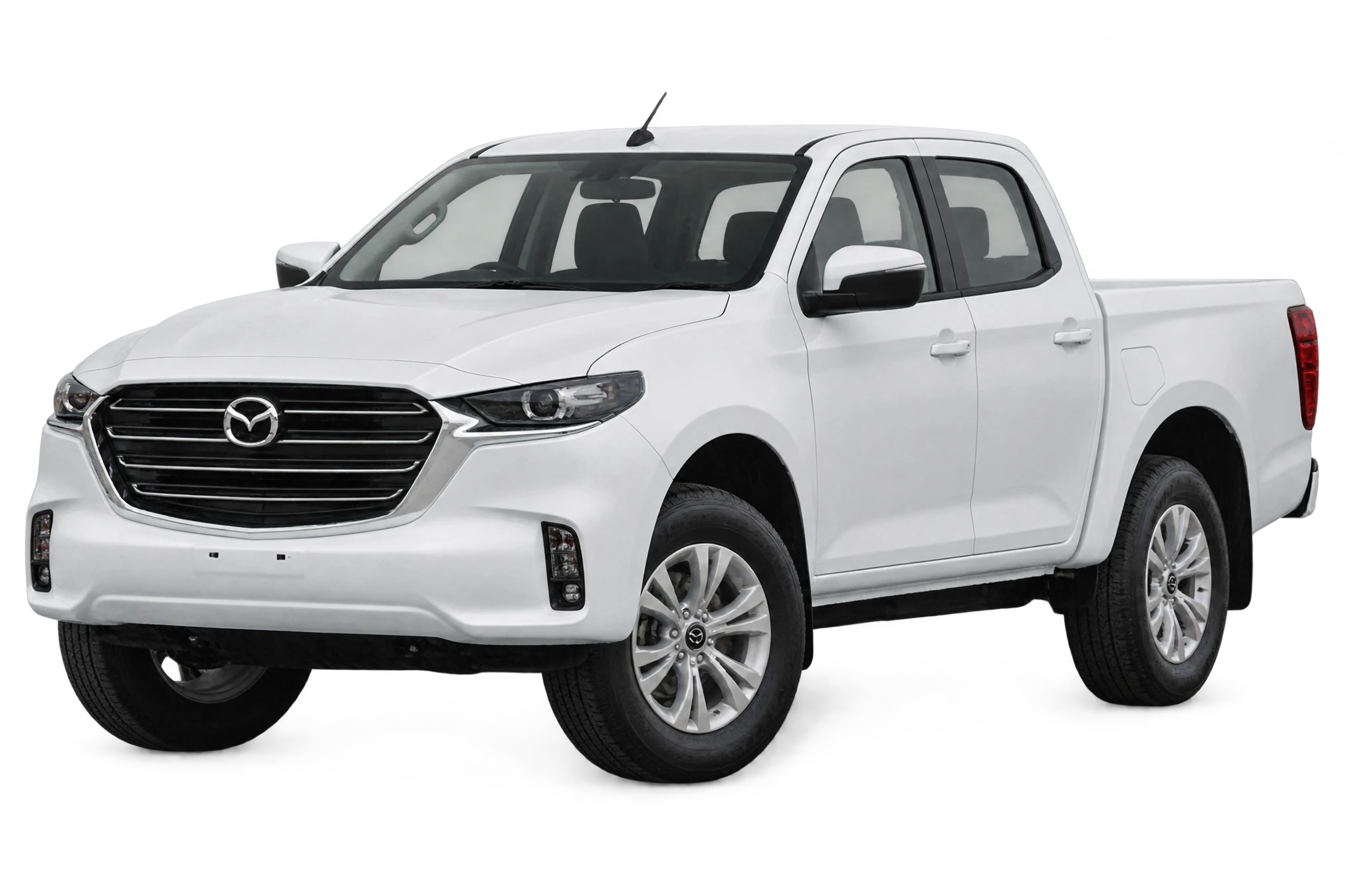
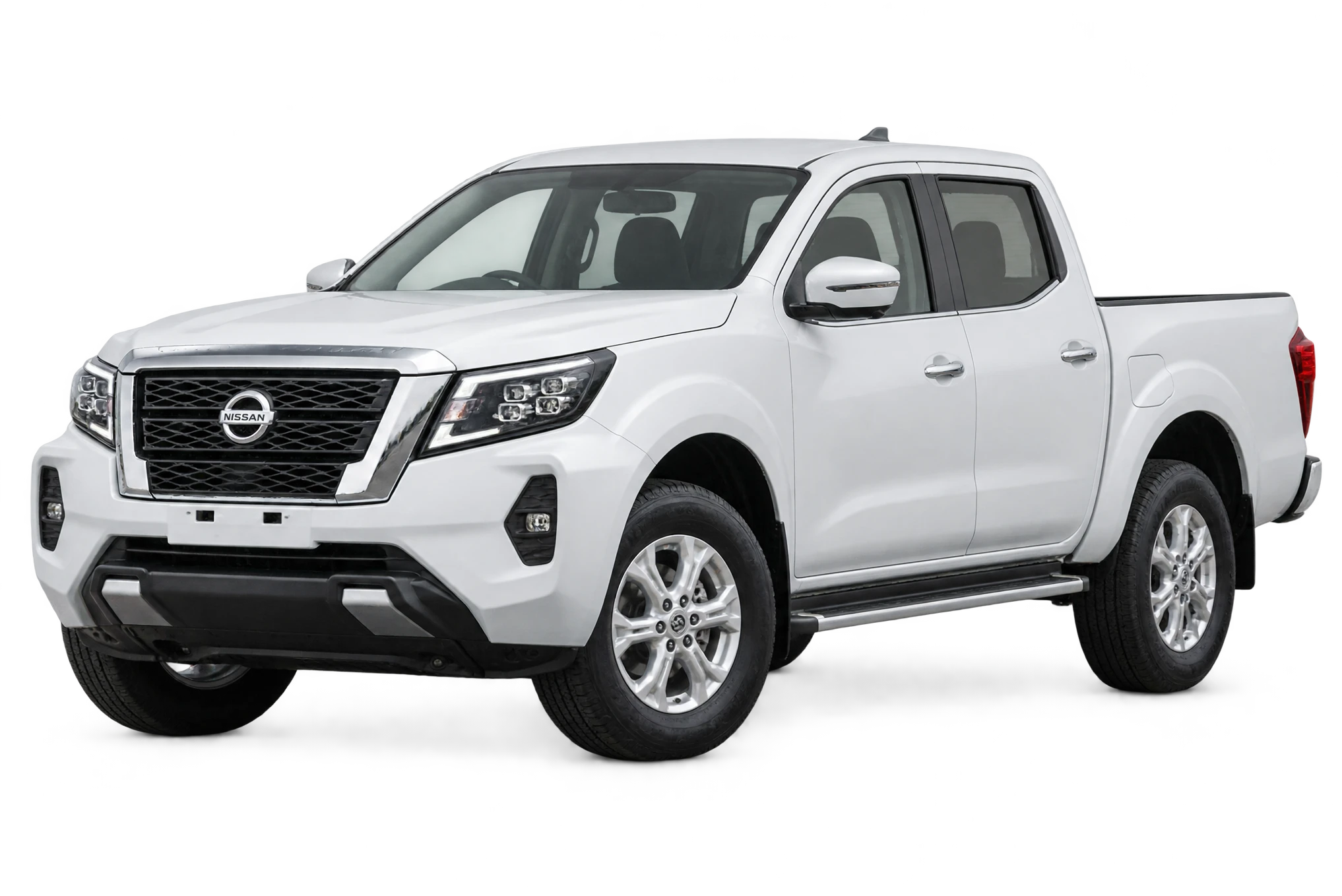
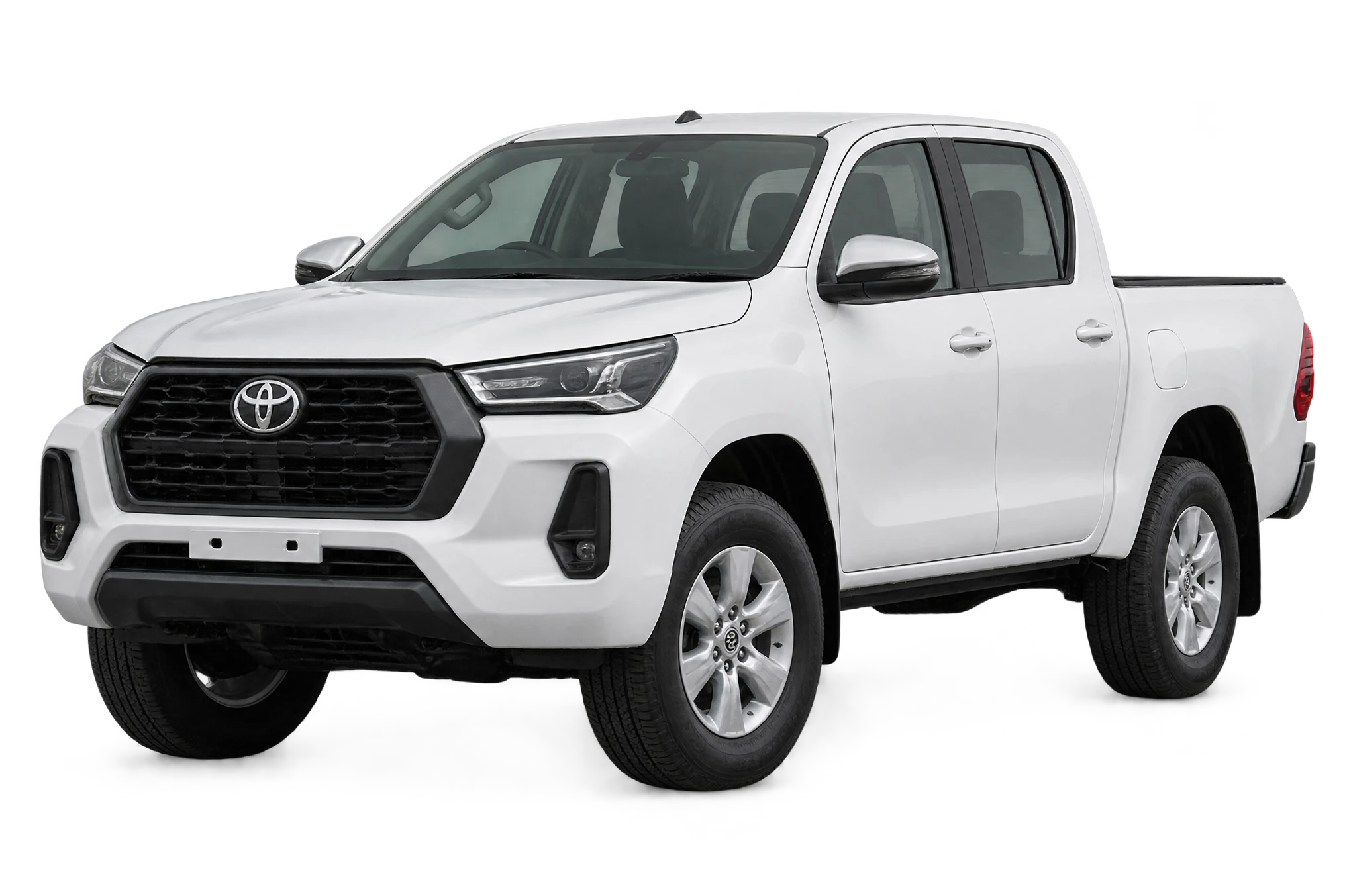
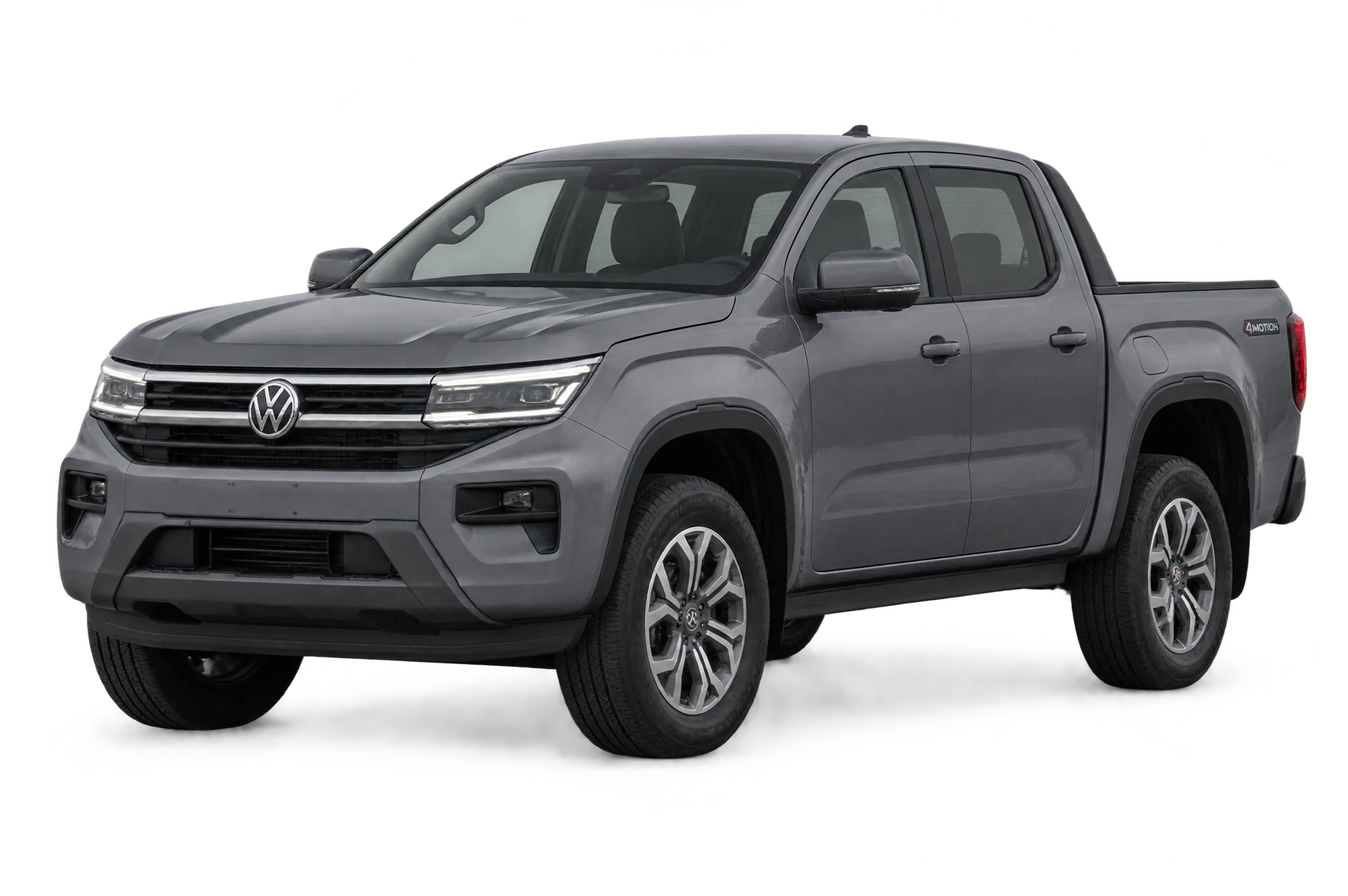
Cars like the Ranger
From other makes, closest in what they use.
More from Ford
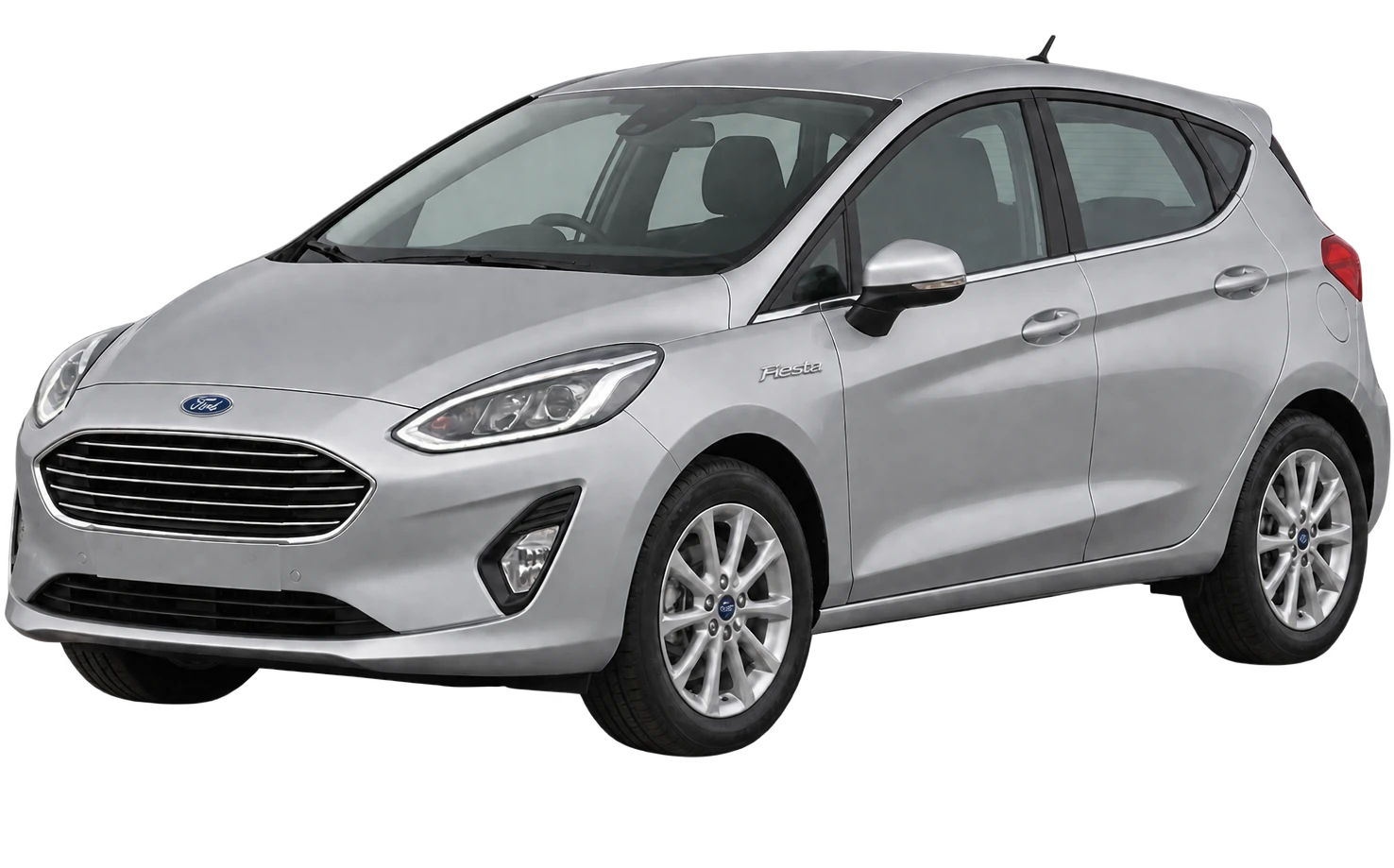
Ford
Fiesta
2004–2023
6.3 L/100km · 45 mpg
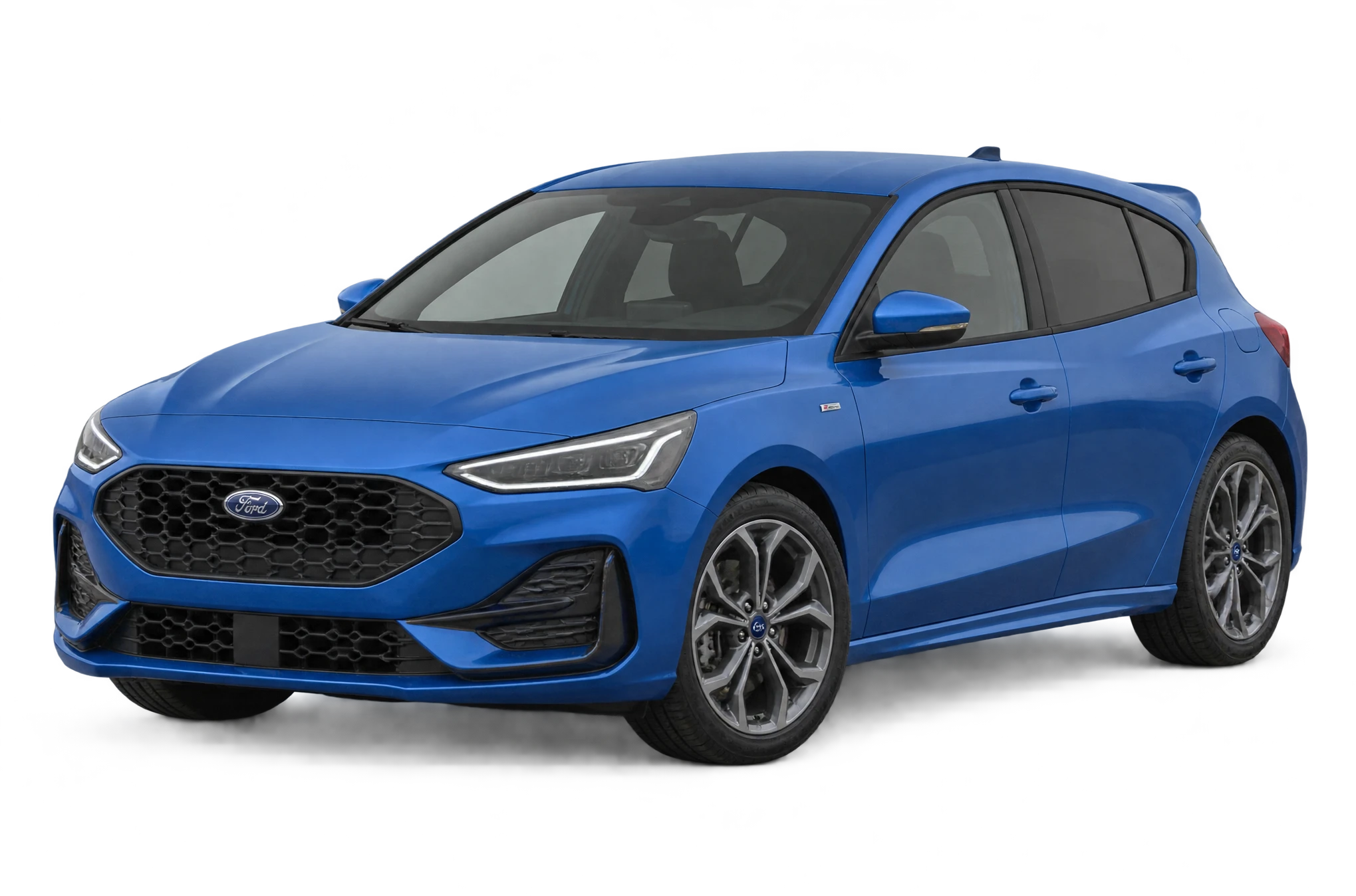
Ford
Focus
2000–2024
5.4 L/100km · 53 mpg
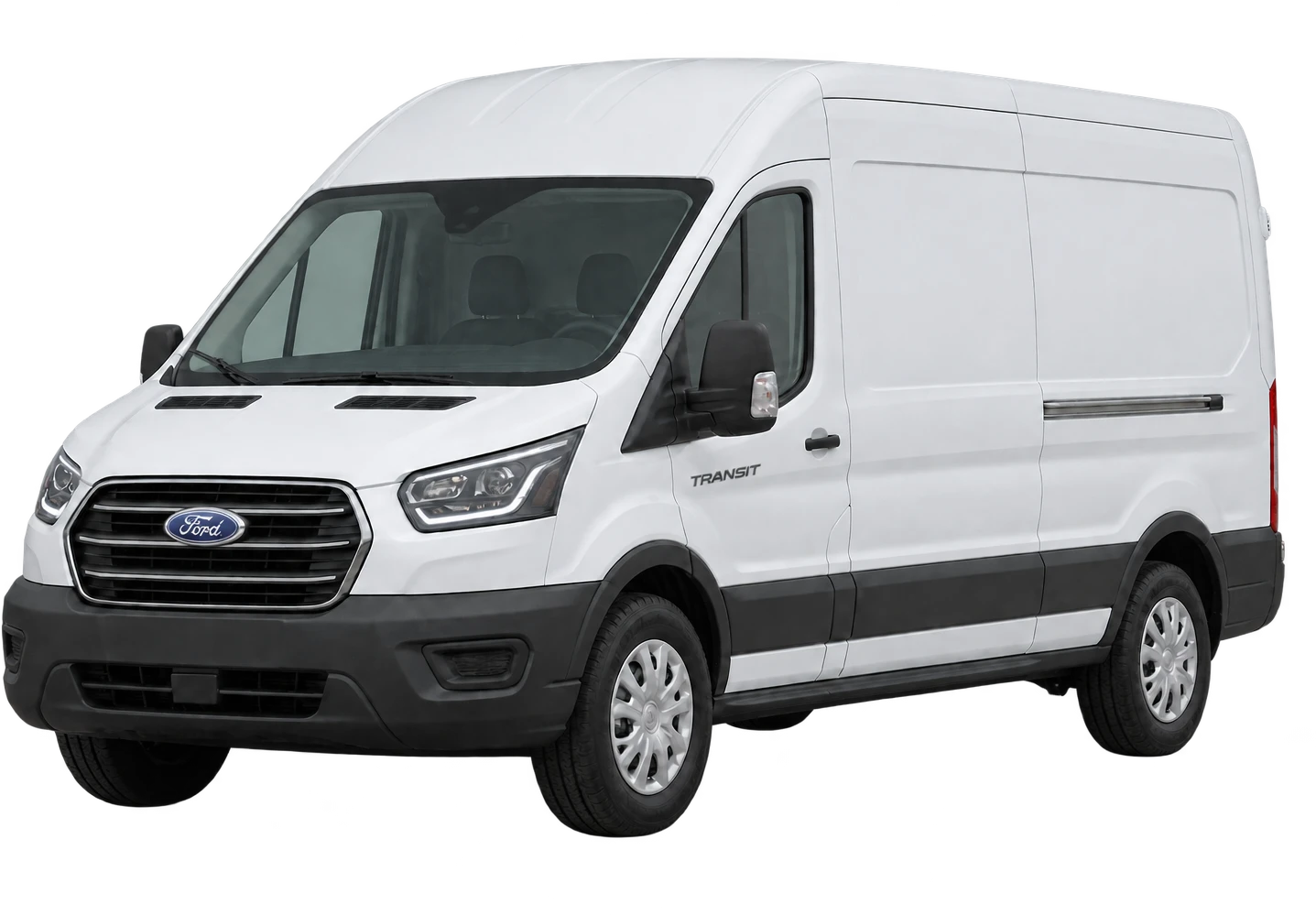
Ford
Transit
1995–2026
6.9 L/100km · 41 mpg
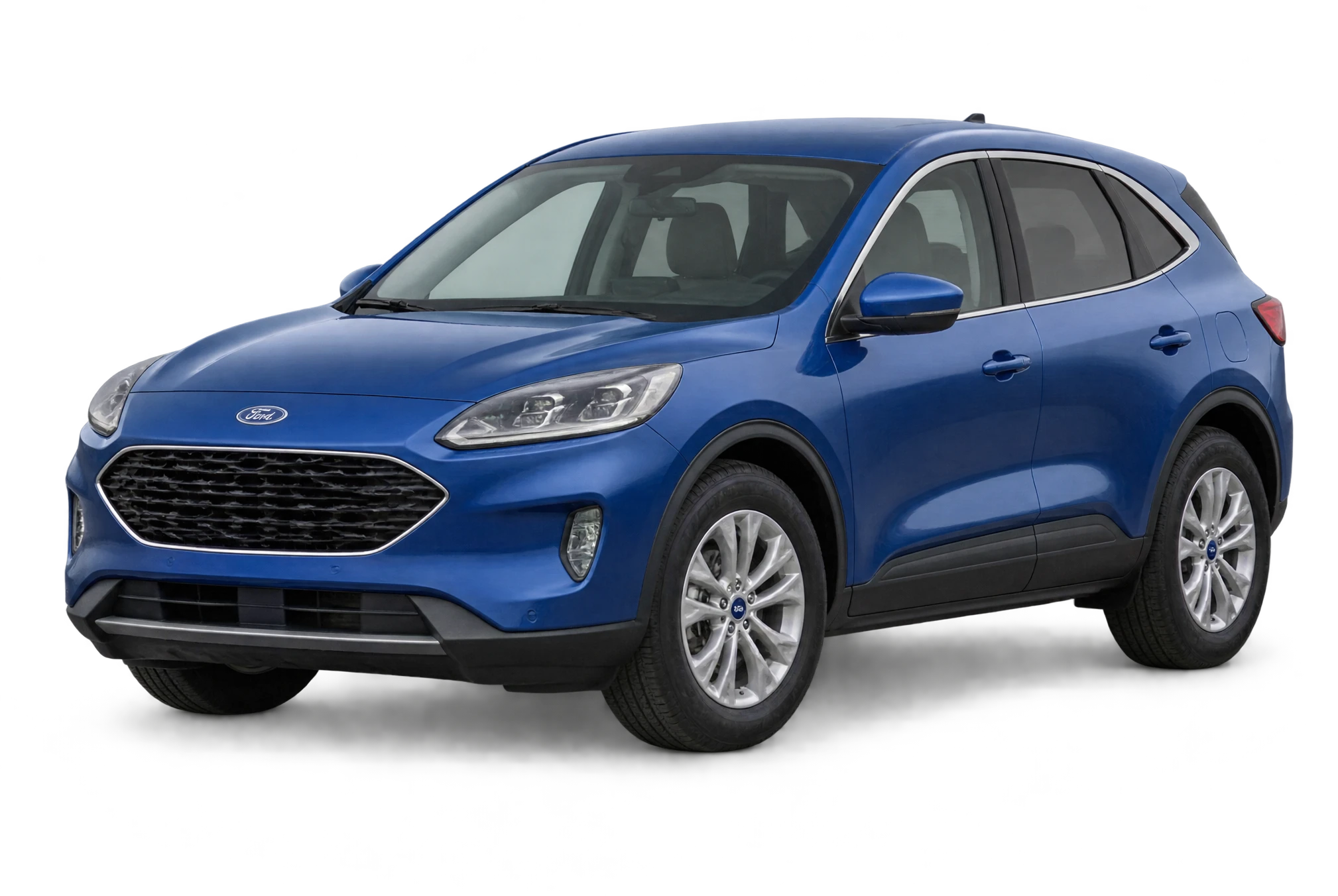
Ford
Kuga
2010–2017
5.4 L/100km · 52 mpg
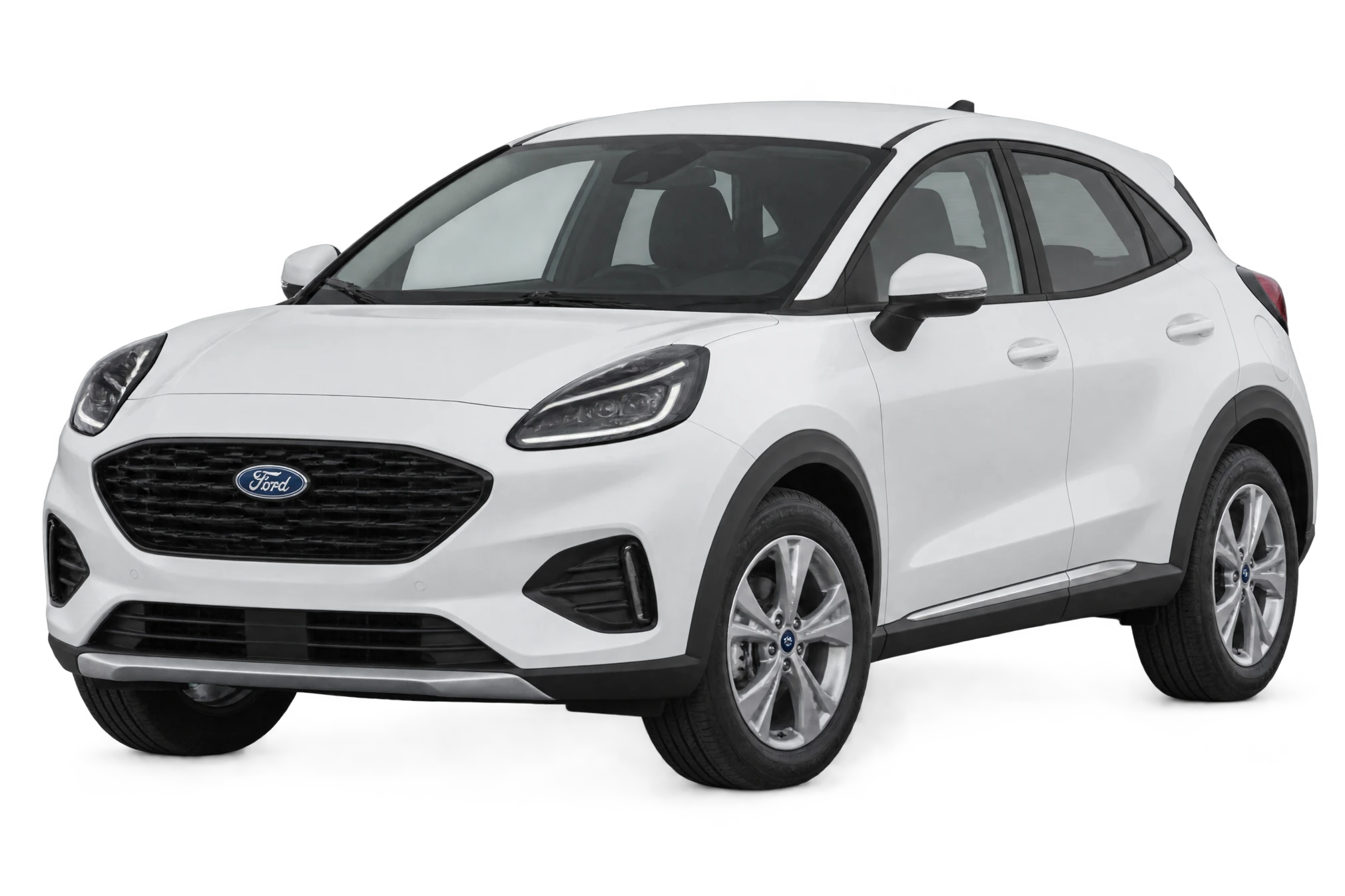
Ford
Puma
2020–2026
5.6 L/100km · 50 mpg
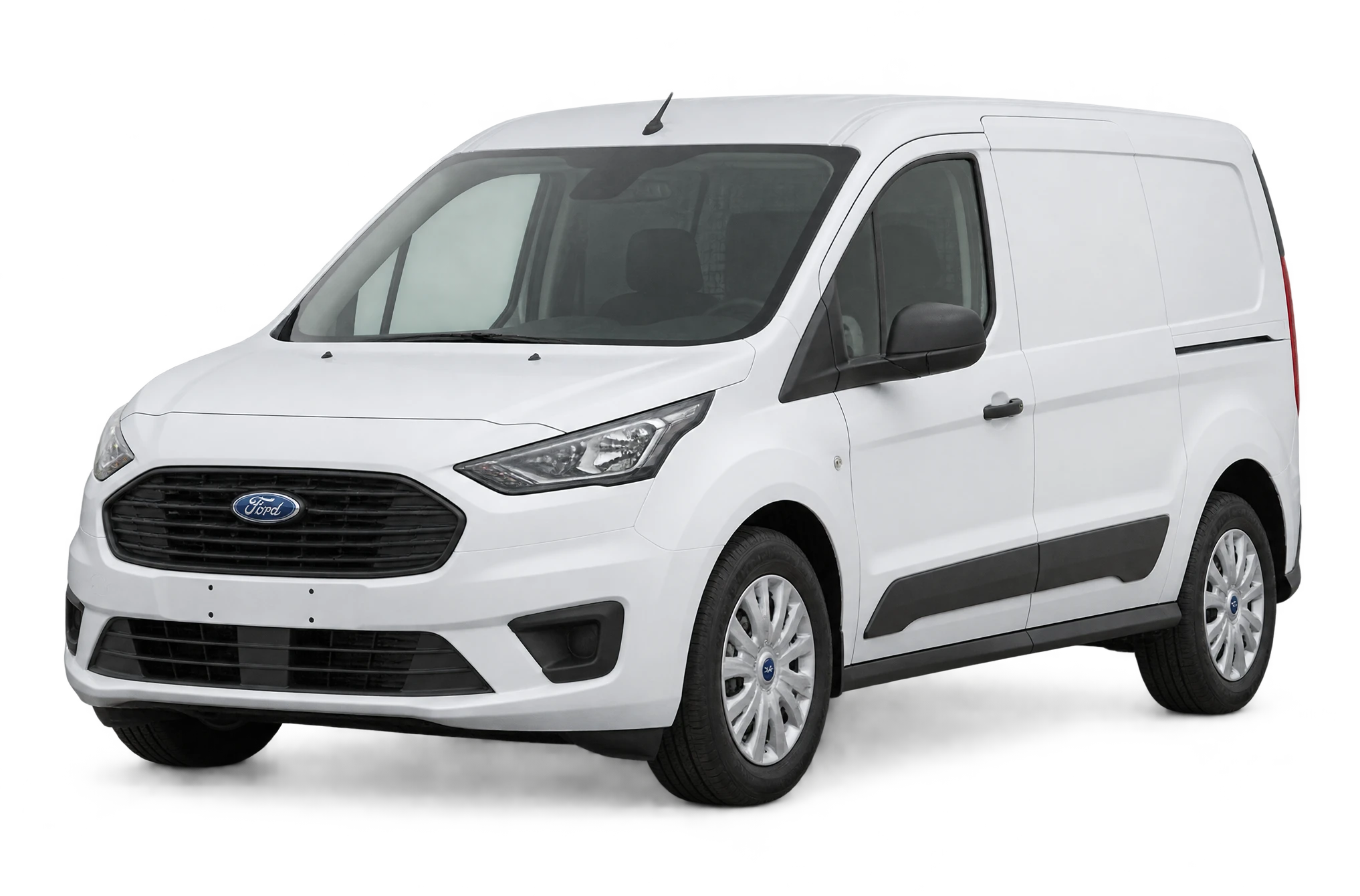
Ford
Transit Connect
2010–2023
9.4 L/100km · 30 mpg
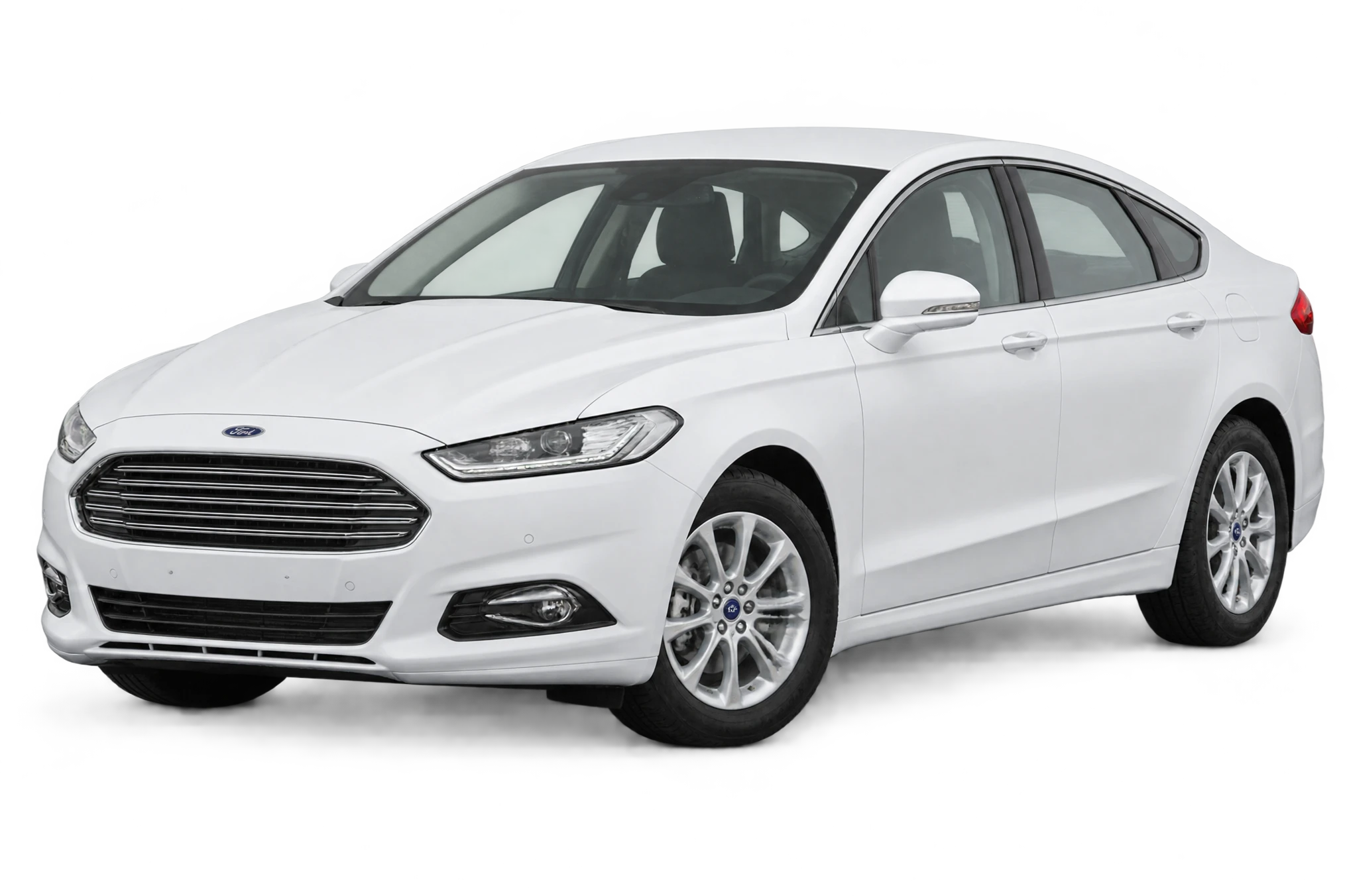
Ford
Mondeo
1997–2020
4.9 L/100km · 58 mpg
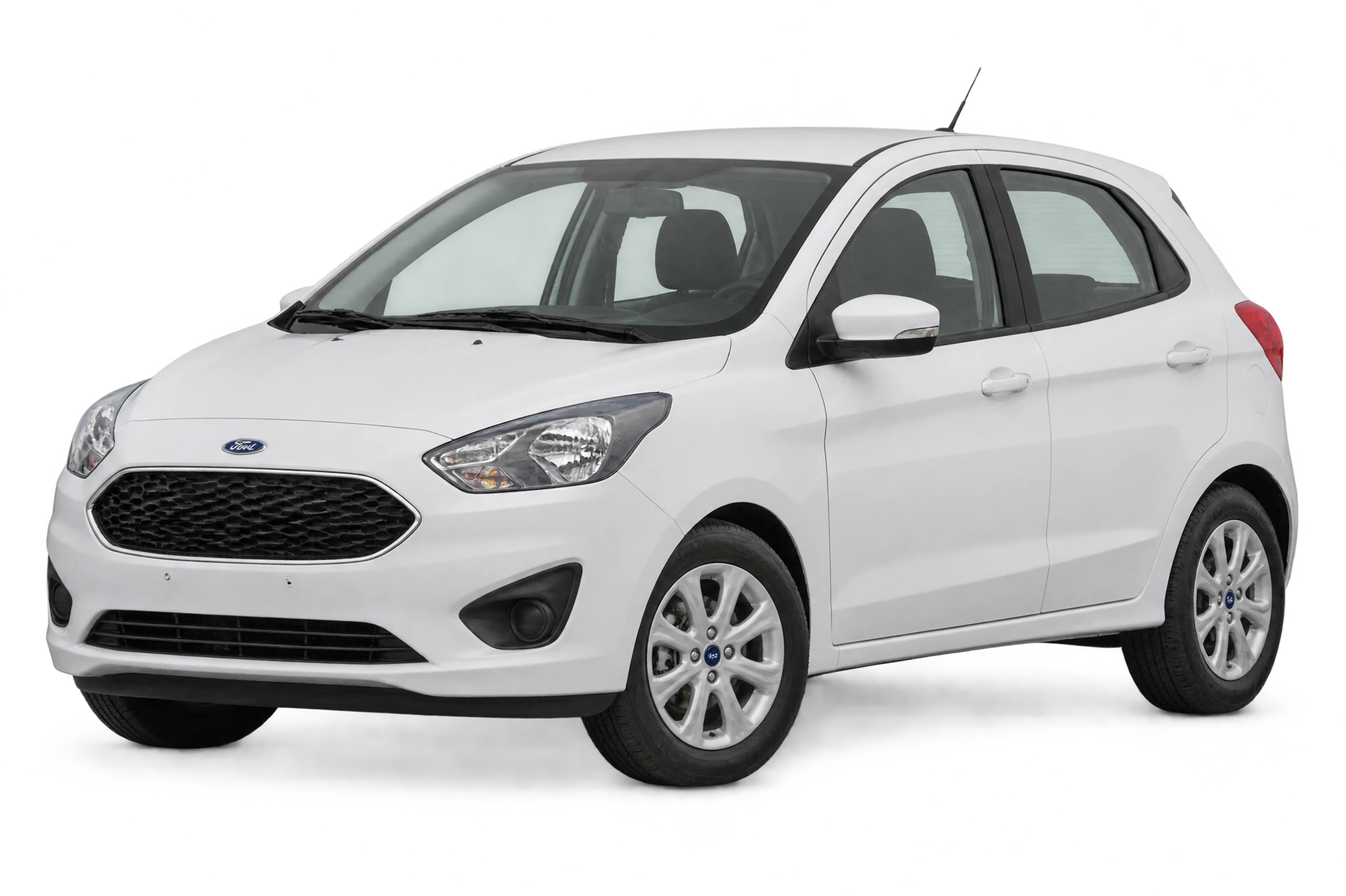
Ford
Ka
1998–2004
7.9 L/100km · 36 mpg
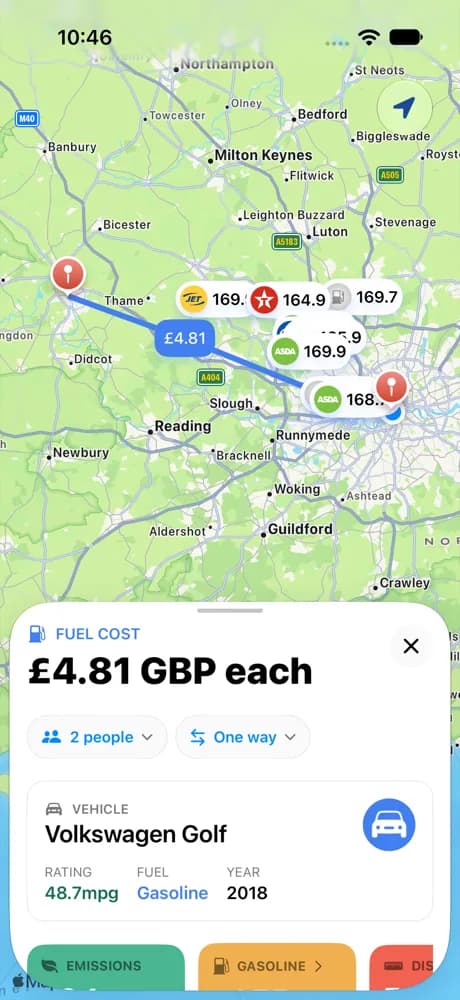
What will a drive in your Ranger cost?
Roadtrip works out the fuel or charging cost of any drive for your exact car, finds the cheapest stations on the way, and splits it between everyone in the car.


Rated 4.7 by drivers · 700,000 downloads